
Examining the Aftermath of the Conversion Therapy Ruling in Colorado

Updated: Jun 17
In recent years, there has been a major shift in how society understands and responds to conversion therapy. Laws banning this practice in many places have marked an important step forward for LGBTQ+ rights and mental health. However, as ignorance spreads, these laws are under constant evaluation, and the rights of minorities are vulnerable.
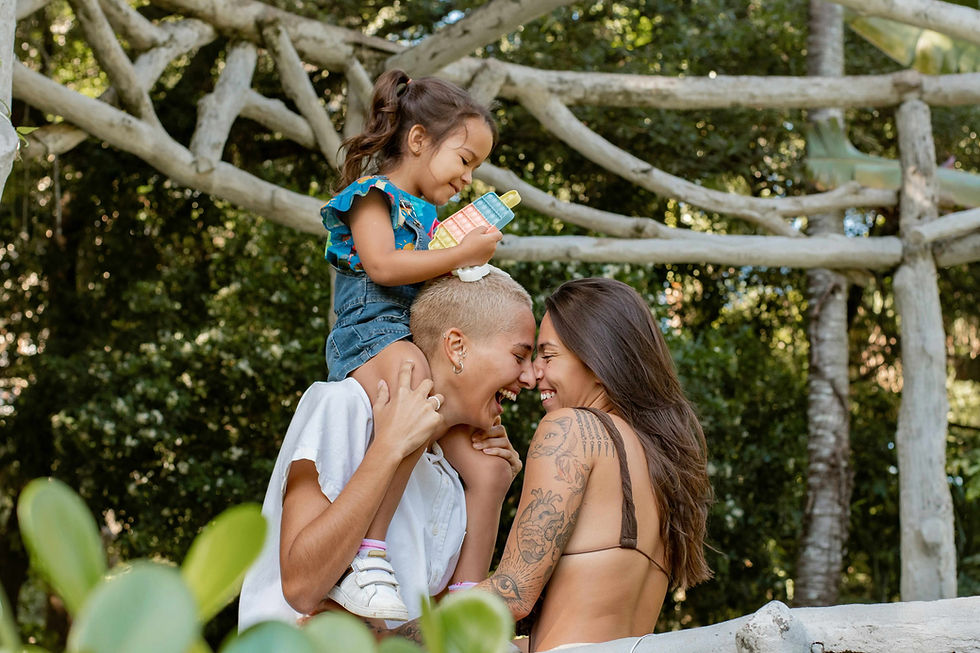
To truly understand what comes next, we have to look at the aftermath, not just in the laws and policies, but in our own nervous systems, in relationships, and in the larger systemic structures we live in. Through a somatic lens, we begin to see that healing is not only about overcoming adversity. It is about how the body holds, processes, and eventually releases trauma.
What Is Conversion Therapy and Why Does It Matter?
Conversion therapy refers to practices that try to change a person’s sexual orientation or gender identity. These methods are cruel, inhumane, and have been widely discredited by major mental health organizations. Research shows they can cause deep emotional harm, including anxiety, depression, and trauma.
The laws we have in place are a direct result of the many people who are still living with the pain of these experiences. For some, the harm is recent. For others, it happened years ago but still shows up in daily life.
This is why examining the aftermath and the ethics of these practices being brought back into question matters. Ending the practice is only the first step. Supporting the healing of the collective community harmed by conversion therapy is the next step.
A Somatic Lens: Understanding Trauma in the Body
When we talk about trauma, we often focus on thoughts or memories. But trauma also lives in the body. This is one of the foundations of somatic therapy.
A somatic lens helps us understand how experiences like conversion therapy can affect the nervous system. Someone may feel constantly on edge, shut down, riddled with shame, dread, or disconnected. These are not just emotional reactions—they are physical sensations and responses shaped by the pain and abuse conversion therapy brings.
For example:
Tightness in the chest may show up when talking about identity
A constant loop of negative self-talk
An incomplete or poor image of the self
Numbness or disconnection can happen during relationships
Shame tied to identity
Difficulty trusting others
Fear of rejection or abandonment
Struggles with self-worth
Disconnection from the body
These are signs that the body is still trying to protect itself. Even in supportive environments, these patterns can continue. That’s because the body learned them over time.
Healing, then, is not about “moving on” quickly. It is about slowly rebuilding a sense of safety from the inside out.
Somatic Therapy works by gently helping the body feel safe again. It focuses on awareness, breath, movement, and small shifts that allow the nervous system to settle.
The Lingering Impact of The History of Conversion Therapy
The ruling against conversion therapy sent a strong message: people should not be forced to change who they are.
The shame that comes along with such treatment typically comes from others' desires or anxiety being placed on us. Research shows that this shame then gets internalized and leads to higher levels of depression and increased suicidal ideation.
Internalized shame requires support to uncouple others' influential voices, restoring connection and repair to the parts of ourselves that experienced shame that was not ours to begin with.
From there, we can increase our agency and find choice by exploring our own desires and relationship to pleasure.
Conversion therapy bypasses this process and instead solidifies those shame patterns, trapping those damaged parts, leading to the feeling that our bodies store our trauma.
The Role of LGBTQ+ Affirming Care
Affirming care is a key part of this healing process. It means access to therapists who are not only knowledgeable of LGBTQ+ identities but also actively support and celebrate them.
In our practice, LGBTQ+ allyship is not just a statement, it is part of how we show up every day. At Compass Healing Project we understand the unique challenges LGBTQ+ individuals face, especially those who have experienced harm like conversion therapy.
This means:
Creating a safe, non-judgmental space
Using inclusive language
Understanding identity as fluid and personal
Supporting clients in reconnecting with their authentic selves
Moving towards healing shame and rejection around identity
Finding a therapist who is not only accepting but also trauma-informed (and trained!) and deeply understanding of the struggles that come with the suppression of LGBTQIA+ rights can be extremely beneficial. When you feel seen and respected, the nervous system can begin to relax. That is creating a place for healing and true acceptance.
Couples and Relationship Therapy: Healing Together
Conversion therapy often affects more than just the individual. It can impact relationships with partners, parents, and family members.

This is where couples and family therapy can play an important role.
For couples, somatic therapy can help:
Rebuild trust
Improve communication
Navigate identity-related stress
Strengthen emotional connection
For families, therapy can:
Address misunderstandings about identity
Repair harm caused by past beliefs or actions
Build stronger, more supportive relationships
Healing in relationships is not always easy. There may be pain, guilt, or confusion, and harmful patterns. But with professional and personal guidance, any relationship can move toward greater understanding and connection.
Systemic Healing: Growth Beyond the Individual
While individual therapy is powerful, it is not enough on its own. The effects of conversion therapy are tied to larger systems like cultural, religious, and social beliefs that shaped these practices in the first place.
Systemic healing means looking at the bigger picture.
It asks questions like:
How do our communities support or harm LGBTQ+ individuals?
What messages are still being passed down about identity?
How can we create safer environments for future generations?
Growth as a society happens when we take responsibility not just for past harm, but for present change.
This includes:
Educating communities
Supporting inclusive policies
Promoting mental health awareness
Creating and defending spaces where all identities are valued
Systemic healing and growth are ongoing processes. They require both awareness and action from all of us.
Moving From Survival to Safety within Yourself
Many people who have experienced conversion therapy have spent years in survival mode. This might look like hiding parts of themselves, avoiding conflict, or constantly scanning for danger.
Somatic therapy helps shift from survival to growth.
In survival mode:
The body is tense
The mind is focused on a threat or can be perceived as defensive
Energy is used to keep a guard up and protect yourself emotionally
In growth mode:
The body feels more relaxed
The mind can explore and create
Energy is used for connection and joy
This shift does not happen overnight. But with support, it is possible.
The Importance of Safe Spaces
Healing cannot happen without safety. This is true both in therapy and in everyday life.
Safe spaces allow individuals to:
Express themselves freely
Explore identity without fear
Build trust with others
Practice new ways of being
For LGBTQIA+ individuals, especially those affected by conversion therapy, safe spaces are essential.
Therapy can be one of those spaces. So can supportive communities, friendships, and chosen families.
Hope After Harm
It is important to be clear: the harm caused by conversion therapy is real and lasting, and so is the healing provided by knowledgeable, understanding clinicians.
The recent court case revolving around a talk therapist discussing how to provide sensitive and informed care for the LGBTQIA+ community was disheartening to many, including us. We figured out long ago the harm these kinds of practices or styles of therapy can cause, and are disheartened to see it considered lawful. I care deeply about my community and serving those in it with care backed by education, intending to reduce harm. Listening, educating oneself, and understanding what the community needs is a reflection of growth, understanding of identity, mental health, and human dignity. When we “other” others and then begin to set standards for them, without actually coming alongside to hear, understand, or learn is discriminatory and violent.
If the current state of our world and recent rulings in Colorado have been affecting you, I want you to remember that safety is not just found in laws. It is found in the small, everyday moments of healing and living:
Feeling safe in your own body
Speaking your truth
Connecting with others
Experiencing joy without fear
These moments build over time. And there are informed, safe therapists who can help you achieve this sense of safety.
Moving Forward
There is still so much work to be done.
A somatic approach reminds us that healing is not just about changing laws or beliefs. It is about supporting the whole person in the mind, body, and relationships.
By combining affirming care, couples and family therapy, and a focus on systemic healing and growth, we can create a path forward that is both compassionate and effective.
This is not just about recovering from harm. It is about building a future where we can live fully as ourselves, free from shame.
Start Somatic Therapy in Golden, CO

Conversion therapy practices in many areas are still desired and accepted by some members of society. While disheartening, some people are fighting for rights and access to affirming care for the LGBTQIA+ community. We understand the real work continues in the lives of those who were and are affected and harmed by discrimination against this community. You deserve to be loved as you are.
Healing takes time. It takes support. And it takes spaces where people feel safe to be who they are.
Incorporating Somatic Therapy, we can better understand the deep impact of these experiences and, more importantly, how to move beyond them.
As individuals, families, and a society, we have the opportunity to grow in knowledge and understanding every day. Not just by rejecting harmful practices, but by actively creating systems of care, connection, and belonging.
That is where true healing begins. You can start your therapy journey with Compass Healing Project by following these steps:
Reach out today for a free discovery 20-minute consultation!
Meet with a caring therapist
Start finding lasting healing
Recources
Abby Nipp - LBTQIA+ affirming therapist, Golden, Colorado
The Trevor Project - the world's largest suicide prevention and crisis intervention organization for LGBTQ+ youth, offering 24/7 support via phone, text, and chat.
Trevor Lifeline: A 24/7 phone crisis line (1-866-488-7386).
Trevor Text/Chat: Free, confidential, secure instant messaging/texting with counselors (text START to 678-678).
Suicide Prevention: 24/7 info and resources on Suicide Prevention
Community LGBT Center - a safe space to find community, support, and resources in San Diego
Community LGBT Center - a safe space to find community, support, and resources in Denver, Colorado
Other Services Offered with Compass Healing Project
LGBTQIA+ supportive therapy is not the only service offered by Compass Healing Project. We offer a variety of mental health services, including couples/relationship-focused therapy, ketamine assisted therapy, Hypnotherapy, Clinical Sexology, and embodiment practices. Each is tailored to help with anxiety, depression, PTSD, grief, sexuality concerns, and relationship issues. We also offer intensive couples therapy and teen therapy. To learn more about our services, visit our blog or connect with our therapists in Golden, CO.
About the Author
Natalie Cooney (she/her) LMFT CO .0001680 is the Lead Therapist, Director, and Clinical Supervisor of Compass Healing Project.
Natalie is a Somatic Experiencing Practitioner, Certified Sex Therapist, Psychedelic Assisted Therapist, Resilience Touch Therapist, and EMDR Therapist. She specializes in Sacred Energetics, Integrative Nutrition, Somatic Regulation, and all things trauma- and attachment-related.
Natalie is currently full, and her waitlist is closed. Her team is hand-picked, incredible, and has current openings. Inquire Here to be matched!


Comments